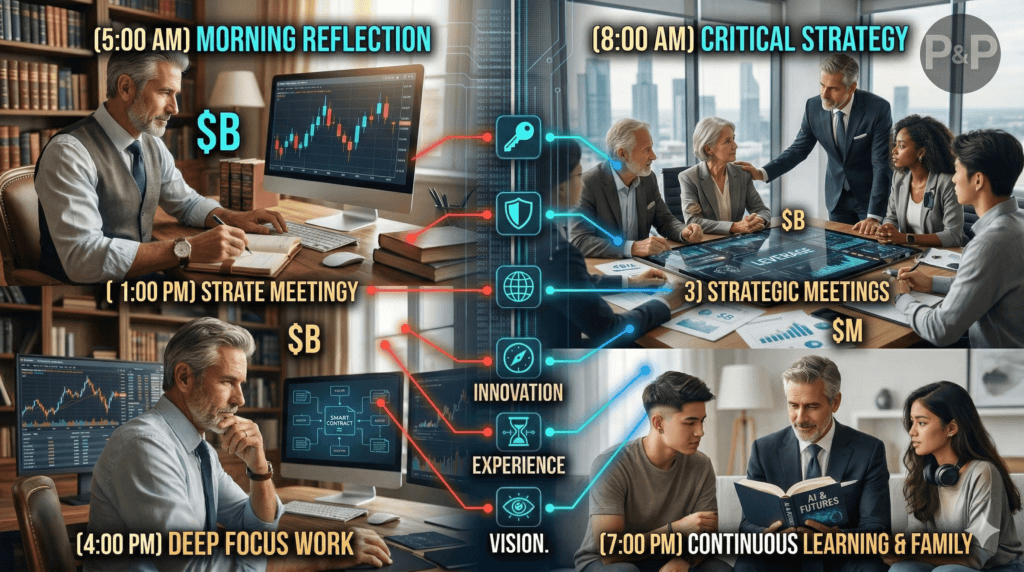
The The 4-Hour AI Workweek USA 2026 is no longer a dream; it is the new standard for professional efficiency in the United States. Across the country, from the tech-heavy corridors of Silicon Valley to the quiet suburbs of Ohio, a new breed of worker has emerged. These individuals are not just working harder; they are working smarter by deploying autonomous agents that manage the mundane, allowing them to focus purely on high-level strategy. According to recent reports by Forbes on AI in the Workplace, the shift toward automation is saving top-tier professionals over 30 hours of manual labor every single week.
If you are a freelancer or a corporate employee in the states, achieving this level of efficiency is the ultimate competitive advantage. This shift represents the biggest change in American labor since the industrial revolution, moving us from an era of “hours logged” to “value created.”
The Science Behind Digital Efficiency
In 2026, the secret behind The 4-Hour AI Workweek USA 2026 lies in “Agentic Workflows.” Unlike simple chatbots of the past, AI agents can now make autonomous decisions, browse the live web for real-time data, and interact with complex software tools on your behalf. As highlighted in the Microsoft Work Trend Index 2026, Americans who embrace these modern workflows are seeing a 70% increase in total output.
To truly master the The 4-Hour AI Workweek USA 2026, many professionals are moving beyond being mere “users” to becoming “creators.” If you want to build your own digital workforce, you should follow our guide on Build AI Agents 2026: 7 Proven Steps to Create and Monetize Them Like a Pro. Creating these agents is the essential first step toward reclaiming your personal freedom and achieving your professional goals.
Key Strategies for American Remote Workers
Achieving the The 4-Hour AI Workweek USA 2026 requires a fundamental shift in how you view “work.” Here are the core pillars that top American remote workers are using to dominate their schedules:
1. Asynchronous Meeting Delegation
In the traditional 9-to-5, meetings consume nearly 40% of the average American’s day. Those following the The 4-Hour AI Workweek USA 2026 model use specialized AI agents to attend Zoom or Microsoft Teams calls. These agents transcribe the meeting, highlight action items, and update project boards automatically. This allows the human worker to skip the call and spend just 5 minutes reviewing the summary.
2. Autonomous Inbox and Communication Management
The “Inbox Zero” obsession is a thing of the past. To maintain the The 4-Hour AI Workweek USA 2026, workers use agents that categorize, draft, and even send routine replies. These agents are trained on the user’s specific writing style and professional history, making the automation feel completely human. This is a major trend across all US remote sectors.
3. Predictive Data Synthesis and Research
Instead of spending hours researching market trends or competitor data, professionals in the USA now use agents to synthesize vast amounts of data into actionable insights in seconds. This moves the human from the role of “Researcher” to “Decision Maker,” which is the heart of the The 4-Hour AI Workweek USA 2026 philosophy.
The Impact on the USA Labor Market and Economy
The widespread adoption of the The 4-Hour AI Workweek USA 2026 is forcing American companies to rethink their compensation models. A report from IBM Newsroom suggests that “Output-Based Pay” is rapidly replacing hourly wages in 2026. If an American remote worker can deliver 40 hours of value in just 4 hours through AI orchestration, their value to the company remains unchanged—or even increases because of the efficiency.
However, this transition isn’t without its cultural challenges. There is a generational divide where younger workers are fast adopters, while older management styles still struggle with the lack of “desk time.” True success in the The 4-Hour AI Workweek USA 2026 era comes from proving results through metrics rather than physical presence.
Overcoming the Challenges of Automation
While it sounds ideal, implementing the The 4-Hour AI Workweek USA 2026 requires strict boundaries and advanced cybersecurity.
- Security: Using local, private LLMs is essential to keep proprietary company data safe. A data leak through a public AI can be a career-ending mistake.
- Ethics: Workers must be transparent with their employers about the level of automation they are using to maintain trust.
- Skill Decay: Relying too much on AI can lead to a decline in personal skills. Those who thrive use the extra time to learn new high-level skills.
Psychological Benefits: Reclaiming Mental Health
One of the biggest wins of the The 4-Hour AI Workweek USA 2026 is the massive reduction in burnout. Americans have historically struggled with work-life balance, but by automating routine tasks, the mental load is significantly lightened. This allows for more time with family, physical exercise, and mental recovery, leading to a more sustainable long-term career.
Conclusion: Your Roadmap to Freedom in 2026
The shift toward the The 4-Hour AI Workweek USA 2026 is the defining professional trend of our time. By leveraging AI agents, workers are finally breaking the link between “hours spent” and “value created.” Whether you are an independent freelancer in New York or a full-time remote employee in Florida, the tools to reclaim your time are already at your fingertips.
Start small: automate one routine task today. Before you know it, you will be living the The 4-Hour AI Workweek USA 2026 lifestyle and enjoying the freedom that comes with it. The future of work isn’t about working more; it’s about mastering the machines so you can live more.