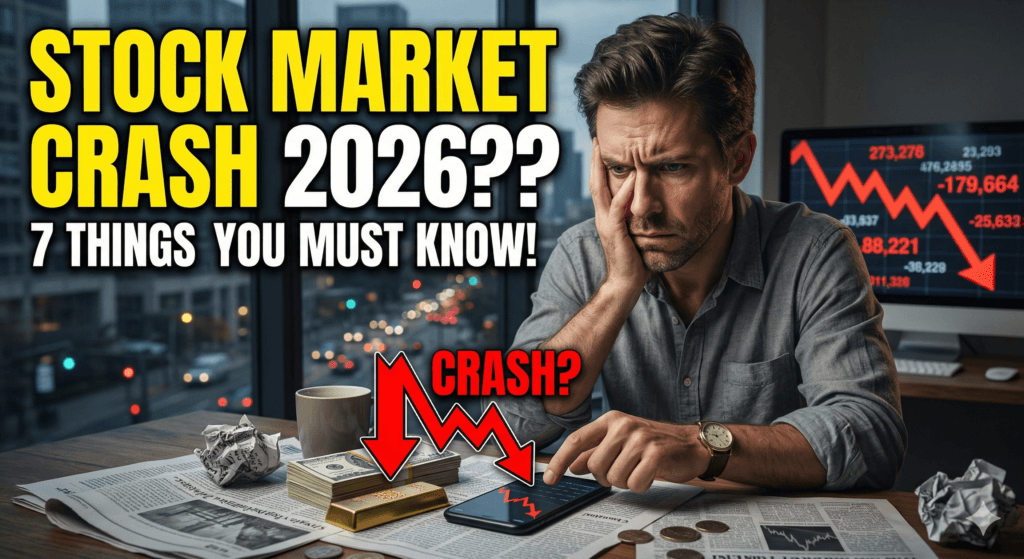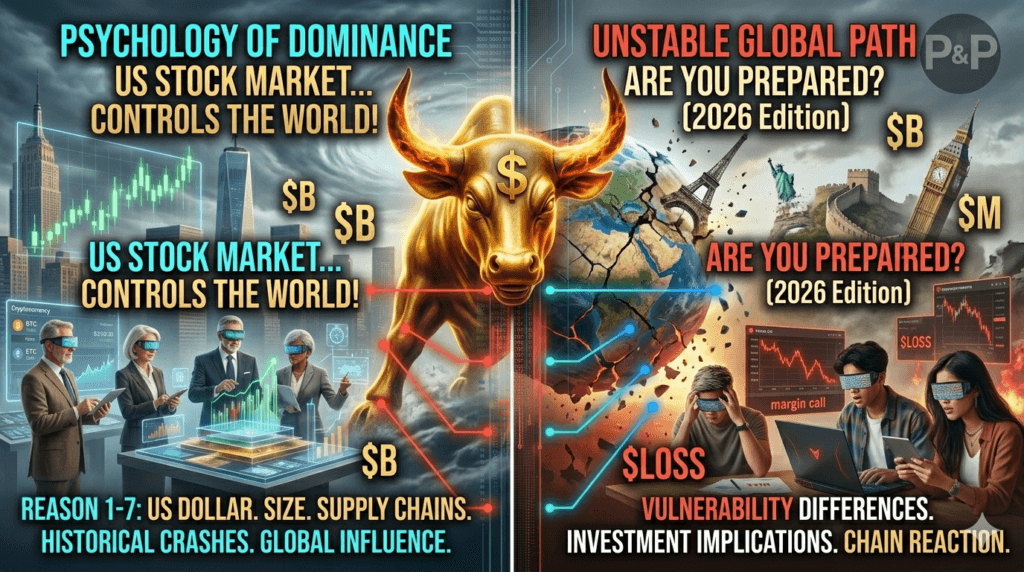
When we think about success in the stock market, we often attribute it to rigorous research, technical analysis, or perhaps a bit of luck. But every so often, an event occurs that makes retail investors question if the destiny of the financial markets is pre-written by those with inside access. A prime example of this was a staggering $1.5 billion S&P 500 futures trade executed just minutes before a major geopolitical announcement regarding US strikes on Iran.
Flagged by independent analytics trackers like Unusual Whales and reported by the Financial Times, this specific trade highlights the razor-thin line between incredibly fortunate timing and potential insider trading. In this article, we will break down the anatomy of this massive trade, explore both the negative implications for market fairness, and highlight the positive strides in retail analytics that are bringing these shadows into the light.
The Anatomy of the $1.5 Billion S&P 500 Futures Trade
To understand the magnitude of this event, we must look at the timeline. Tensions were at an all-time high between the United States and Iran. Global markets were incredibly volatile, reacting to every news alert and press briefing. During this period of extreme uncertainty, an unknown entity placed a massive $1.5 billion long bet on S&P 500 futures.
Minutes later, a tweet from the US President announced an abrupt halt to the planned military strikes on Iran. Instantly, the geopolitical risk premium vanished, the stock market surged, and the entity holding the $1.5 billion futures contracts walked away with a monumental, instantaneous profit.
The size and exact timing of this trade stood out like a sore thumb compared to normal market activity. Independent data trackers immediately flagged the volume spike. For the average investor, this sequence of events felt less like a natural market movement and more like a carefully orchestrated maneuver where the financial destiny of the trade was guaranteed before the public even knew what was happening.
The Dark Side: Is the Market’s Destiny Rigged? (Negative Sentiment)
The immediate reaction to such impeccably timed trades is justifiable outrage. When multi-billion dollar trades precede market-moving geopolitical announcements by mere minutes, it casts a dark shadow over the integrity of the financial system.
The negative implications are severe:
- Erosion of Trust: Retail investors lose faith in the system, believing that the financial destiny of their portfolios is at the mercy of institutional giants and political insiders who operate with an unfair information advantage.
- Market Manipulation Fears: If geopolitical events are leaked to Wall Street elites before the general public, the concept of a “free market” becomes an illusion.
- Regulatory Blind Spots: Despite strict laws against insider trading, proving that a trade was based on leaked political information (rather than a highly aggressive algorithm or a lucky geopolitical gamble) is notoriously difficult for regulators like the SEC.
For everyday traders relying on standard technical analysis and public news feeds, competing against entities that seemingly have tomorrow’s newspaper today feels incredibly discouraging.
The Silver Lining: The Rise of Independent Analytics (Positive Sentiment)
However, the narrative isn’t entirely bleak. In fact, the very reason we know about this $1.5 billion trade is a testament to a massive positive shift in the modern financial landscape. A decade ago, a trade of this nature would have vanished into the background noise of institutional clearinghouses. Today, the destiny of market transparency is changing for the better.
Thanks to the democratization of financial data, independent analytics platforms and unusual options flow trackers (like Unusual Whales) are exposing these anomalies in real-time.
- Empowering the Retail Trader: Retail investors now have access to institutional-grade tracking tools. By monitoring unusual options activity and massive futures volume, everyday traders can ride the coattails of “smart money.”
- Accountability: The public exposure of these trades by major publications like the Financial Times puts immense pressure on regulators to monitor political-financial crossovers more closely.
- Algorithmic Adaptability: Modern trading algorithms are becoming incredibly efficient. Many high-frequency trading bots are designed to scrape sentiment and geopolitical news at lightning speed, meaning some of these seemingly “insider” trades are actually just the result of highly advanced AI reacting faster than a human ever could.
(For more insights on how AI and technology are revolutionizing trading strategies, check out our comprehensive guide in the AI & Tech Hub.)
How Trading Bots React to Geopolitics
As a developer or active trader, understanding the mechanics behind these volume spikes is crucial. High-frequency trading (HFT) bots and algorithmic trading systems are heavily programmed to monitor social media platforms. In the case of the Iran strike halt, sentiment analysis algorithms likely caught the political shift the millisecond it hit the internet.
If you are looking to build your own automated systems, understanding API integration and sentiment analysis is the first step. You can read more about how major players track market movements on external platforms like Unusual Whales, which specializes in exposing these exact types of market anomalies.
Taking Control of Your Financial Destiny
The $1.5 billion S&P 500 futures trade will remain a controversial case study in the intersection of geopolitics, insider knowledge, and high-stakes finance. While it highlights the persistent inequalities in information distribution, it also shines a light on the incredible analytical tools available to the modern trader.
You cannot control global geopolitics, nor can you prevent institutional whales from placing billion-dollar bets. However, you can control your own financial destiny. By leveraging data-driven analytics, understanding market mechanics, and utilizing the right tools, you can navigate these turbulent waters. The market’s movements may sometimes seem unfair, but with the right knowledge, you can still find your own path to profitability.